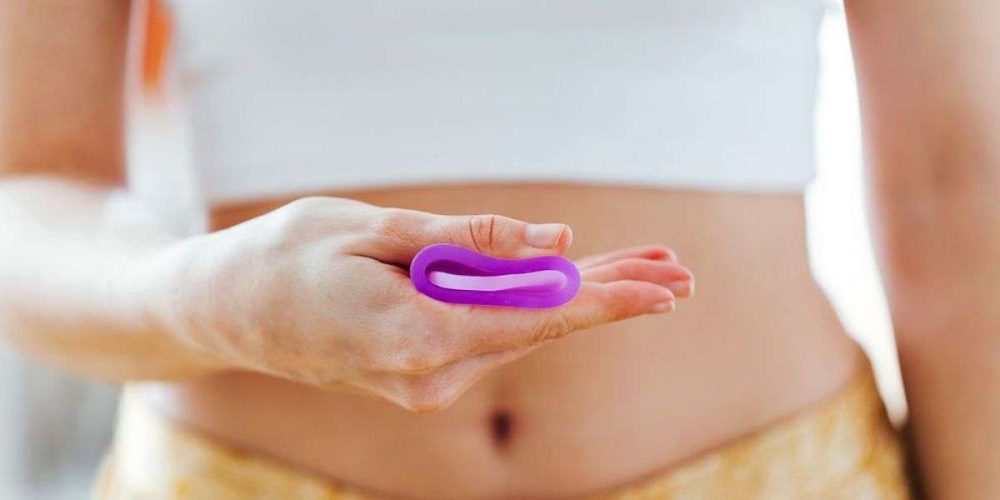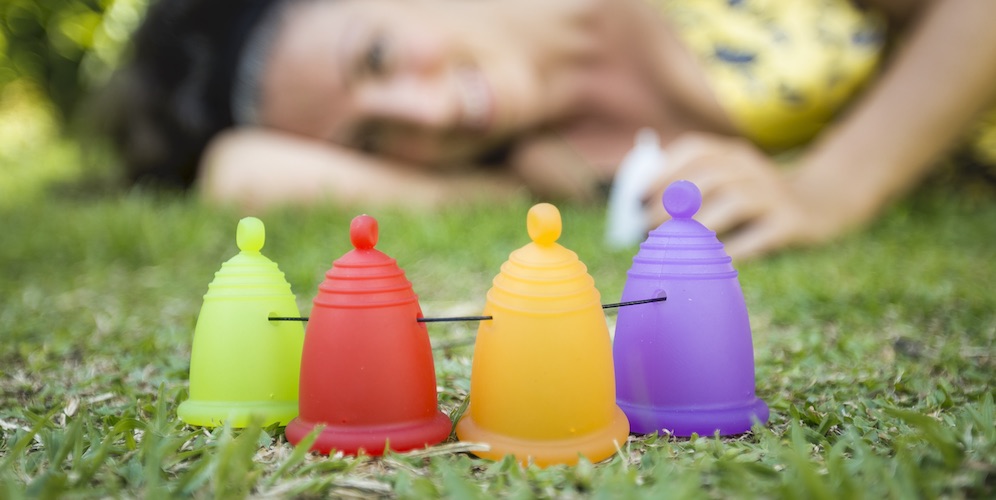
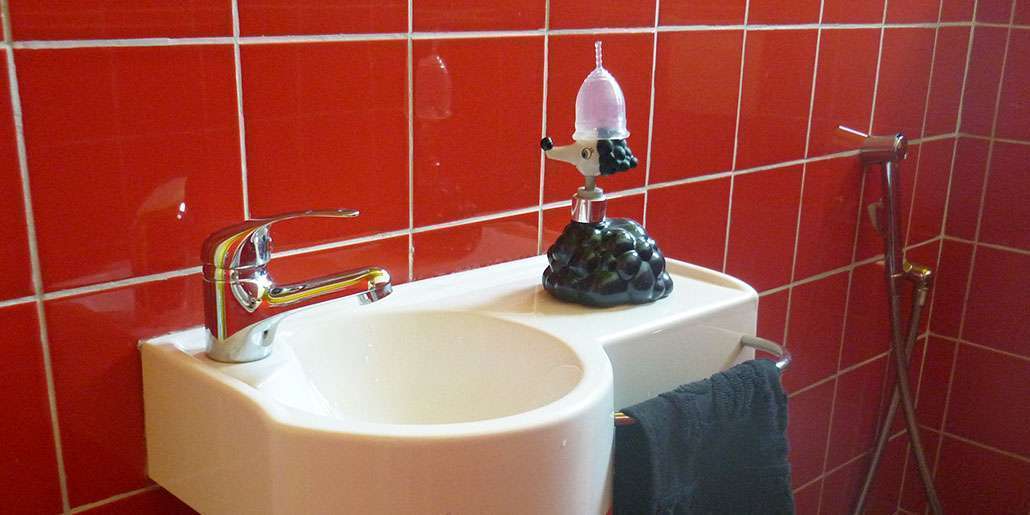
“Yes, but what if the public toilet doesn’t have a sink? I can’t walk out with bloody fingers and my trousers around my ankles!” When women first hear about menstrual cups, this is usually their second question, right after “Oh my God, that thing is so big!” So let’s talk about menstrual cups in public bathrooms once and for all. Spoiler: it’s much easier than you think.
Do you even need to empty your cup in public?
Often, you don’t. Unlike a tampon, a menstrual cup can be worn for up to 8 to 12 hours, depending on the brand and your flow. Most women simply empty it at home in the morning and in the evening, and never need to deal with a public toilet at all.
If you have a heavy flow and fill your cup faster, you might need to empty it once during the day, for example at lunchtime. A cup with a larger capacity can also help you go longer between changes: you can compare the capacity of every cup here.
What to carry in your bag
A small kit makes changing your cup anywhere stress-free:
- A small bottle of water to rinse your cup inside the cubicle. A travel bidet such as the Intimo fits onto a regular bottle and makes it even easier.
- A few sheets of toilet paper or unscented wipes for your fingers.
- Your cup’s pouch, just in case you need to take it out and store it for a while.
- A pantyliner, if it makes you feel more secure during your first cycles.
- A travel cleaning cup if you travel often: it lets you store and sterilise your cup anywhere.
Avoid alcohol wipes and scented wipes on your cup: they can damage the silicone and irritate the delicate skin of the vagina.
If there’s a sink in the cubicle
That’s the easy case, and it’s more common than you might think. Wash your hands, remove your cup, empty it into the toilet, rinse it under the tap, reinsert it and wash your hands again. Exactly like at home. Not sure how to take your cup out? Read my step-by-step guide on how to remove a menstrual cup safely.
If there’s no sink: just empty it and put it back
It sounds like the worst-case scenario, but it really isn’t:
- Wash your hands at the sink outside, then go into the cubicle. Use a piece of toilet paper to lock the door so your hands stay clean.
- Remove your cup and empty it into the toilet.
- Rinse it with your bottle of water, or simply wipe it with toilet paper. Honestly, even that isn’t strictly necessary: the blood on your cup was inside you a few seconds earlier, so there’s no need to make it spotless before putting it back.
- Reinsert it, then wipe your fingers with toilet paper or a wipe.
- Wash your hands when you come out.
You’ll get a little blood on your fingers, just as you would at home, or when using a tampon without an applicator. Nobody makes a fuss about that! Just give your cup a proper wash with water and mild soap the next time you’re home.
Look for a single-occupancy toilet
If you’d like more space and a private sink, look for a single-occupancy, family or gender-neutral toilet, which are increasingly common in cafés, shopping centres, offices and airports. They usually have a sink inside and plenty of room. Accessible toilets are designed for people who need them, so if you use one, keep it quick and give way to anyone waiting.
Tips for work, school, travel and festivals
- At work or school: plan your changes for morning and evening at home, and you’ll rarely need to change during the day.
- On a plane or train: plane toilets have a sink inside, which makes them surprisingly practical.
- Camping and festivals: take a bottle of water and, if there are no toilets, empty your cup into a small hole in the ground, at least 60 metres from water sources, and cover it, as you would for other human waste.
- Long days out: empty your cup just before you leave home, so you start the day with an empty cup.
Practise at home first
The more comfortable you are inserting and removing your cup at home, the easier it is in a public toilet. Give yourself a cycle or two to practise: soon, emptying your cup will take less than a minute. If you’re new to cups, start with my guide on how to use a menstrual cup.
And remember why it’s worth it: no more pads and tampons in public bins, no more running out of protection, and a lot of money saved over the years. See how much you can save with a menstrual cup.
Compare every cup
Find a cup that lasts all day
Our comparison tool shows every cup’s size, capacity, type of stem and silicone softness side by side. Pick any two cups to see them drawn to real scale, and check how they fit your cervix height.
Our menstrual cups
-

Me Luna SHORTY
€15.95 Select options This product has multiple variants. The options may be chosen on the product page -

Yuuki Rainbow
Price range: €24.90 through €36.90 Select options This product has multiple variants. The options may be chosen on the product page -
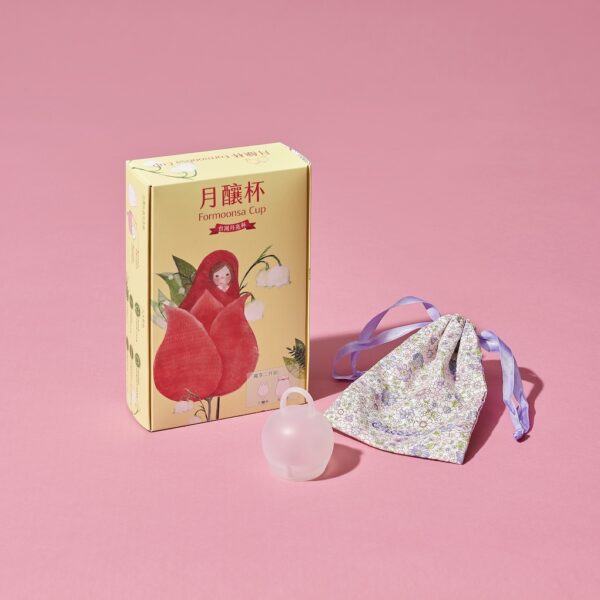
Formoonsacup
€49.90 Select options This product has multiple variants. The options may be chosen on the product page


Frequently asked questions
How do you empty a menstrual cup in a public bathroom?
Wash your hands, remove the cup, empty it into the toilet, rinse it with a bottle of water or wipe it with toilet paper, reinsert it, and wash your hands again when you come out.
Do I need to rinse my cup before reinserting it?
No, it isn’t necessary. Wiping it with toilet paper is fine. Just wash it properly with water and mild soap when you’re back home.
How often do I need to empty my cup during the day?
Most cups can be worn for up to 8 to 12 hours, so many women only empty theirs at home, in the morning and evening. With a heavy flow, you may need to empty it once during the day.
What if I don’t have water with me?
Simply wipe the cup with toilet paper and reinsert it. Your cup was just inside you, so it doesn’t need to be spotless for a quick change.
Can I use wet wipes to clean my menstrual cup?
Avoid alcohol or scented wipes, which can damage silicone and irritate your skin. Plain water or toilet paper is best for a quick clean.