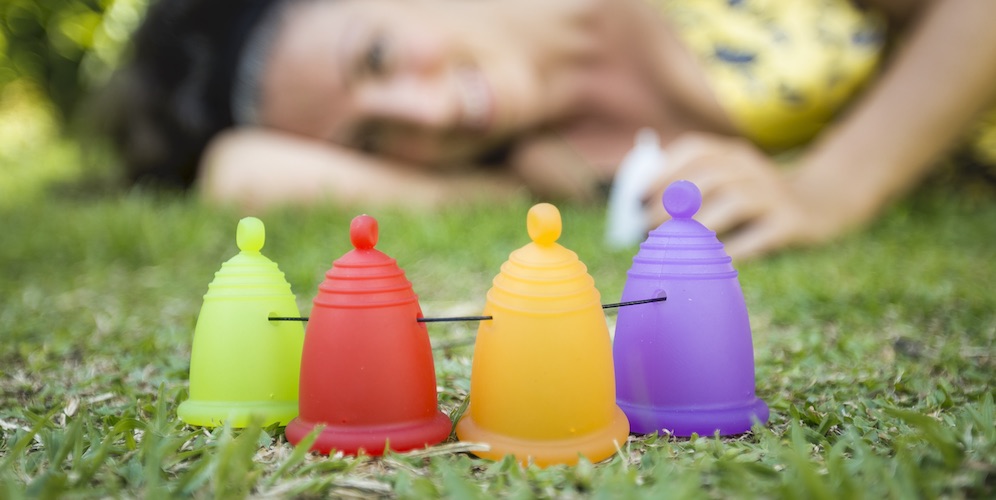
⚡ In short
The firmness of a menstrual cup is measured on the shore scale: the higher the number, the firmer the cup. Strong pelvic floor muscles usually call for a firmer cup, while a weaker pelvic floor or a sensitive bladder is usually happier with a softer one. If you’re unsure, a medium cup is a great place to start.
When searching for your perfect menstrual cup, you may have come across the word “shore” and wondered what it referred to. The shore is a number provided by the manufacturer that tells you how hard or soft the silicone is. For menstrual cups, it usually ranges from about 30 to 60.
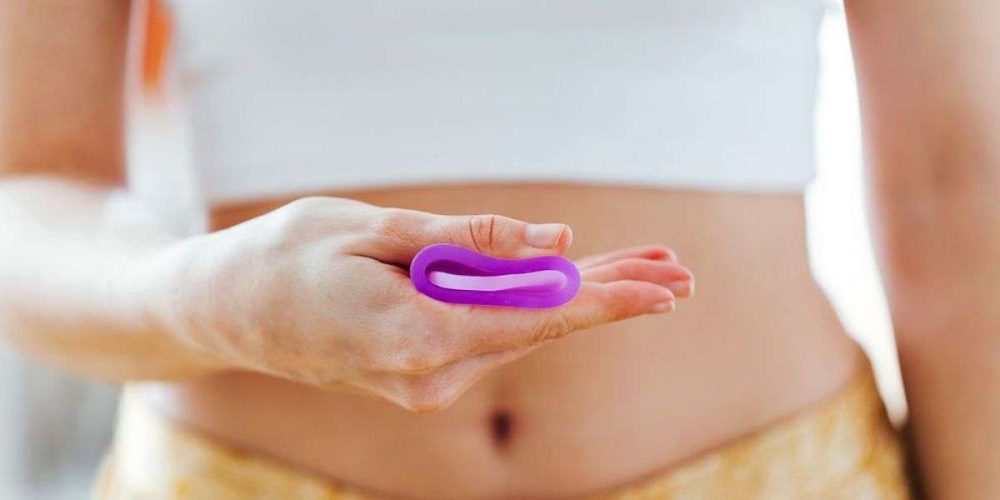
Choosing the right softness for your menstrual cup is just as important as choosing the right size and capacity. I asked every brand I sell in my shop for the shore of their silicone, and added it to my menstrual cup comparison chart. You can filter by soft, medium or firm to see how each brand compares, because firmness is something a photo simply can’t show you.
Soft, Medium or Firm: Which Menstrual Cup Is Right for You?
🌸 Soft cups
Gentle and flexible, so you barely feel them.
Great for: a weaker pelvic floor, a sensitive bladder, or cramps that make firm cups uncomfortable.
Watch out: they can be harder to pop open.
🌷 Medium cups
The happy middle: comfortable and opens fairly easily.
Great for: most first-time users, and anyone unsure where they fit.
Watch out: very active or very toned users may find them too soft.
🌺 Firm cups
Pop open easily and hold a strong seal.
Great for: strong pelvic floor muscles, sport, and anyone whose soft cup kept collapsing.
Watch out: may be felt, or press on the bladder.
How Your Pelvic Floor Affects Your Choice
It’s a bit counterintuitive, but the more toned your pelvic floor (PC) muscles are, the firmer your cup needs to be. A soft cup can get squished by strong muscles and stop sealing properly, which leads to leaks.
If your pelvic floor muscles are on the weaker side, a firm cup may be noticeable and press on your urethra, making it harder to pee. In that case, you may want to choose a softer cup.
🤔 Not sure how strong your pelvic floor is?
- You do a lot of sport, yoga, pilates or horse riding: lean toward firm.
- You’ve given birth, have mild bladder leaks, or a sensitive bladder: lean toward soft.
- Neither, or you just don’t know: start with medium.
Understanding the Shore Scale
The silicone used for menstrual cups is measured on the Shore A scale, which is used for soft, rubbery materials. To give you a sense of what the numbers mean, here are a few everyday comparisons (approximate values):
Why the Shore Number Doesn’t Tell the Whole Story
Thing is, it’s not that simple! Even I, who play around with cups all day, find it hard to explain exactly how soft or firm a cup is. The shore only measures the silicone itself, but how a cup actually feels also depends on:
- Wall thickness: a shore 50 cup sounds quite stiff, but if its walls are very thin, it will bend much more and feel softer than the number suggests.
- Rim design: a thick or reinforced rim helps a cup pop open, even when the body is soft.
- Shape and size: a wide, round cup behaves differently from a narrow, V-shaped one.
- Your own body: your muscle tone affects how easily any cup pops open.
This is why some firm cups are still hard to open once inserted, while some soft cups pop open easily. Have a look at the photo of the three softness levels of Me Luna cups to see the difference.

Honestly, the best way to get a real sense of a cup’s softness is to watch a video of it being squeezed, or to hold it in your hands.
Is Your Cup Too Soft or Too Firm?
Signs it’s too soft
- It won’t pop open
- It leaks even when not full
- It feels squished or folded inside
Try: a different fold (the punch-down fold opens more easily), rotating the cup once inserted, or a firmer cup.
Signs it’s too firm
- You can feel it
- Pressure on your bladder
- It’s harder to pee, or you need to go more often
Try: a softer cup, or a smaller size. Read why size matters with menstrual cups.
What Is Silicone?
The term silicone covers a whole family of polymers made from silicon, oxygen and other elements, most commonly hydrogen and carbon. Silicone can be liquid, like the types used in sealants, or rubber-like, as in many medical products.
There’s often some debate about what silicone actually is. It shares some properties with plastic, but it isn’t petroleum-based like most plastics: it’s made from silica, which comes from sand. That makes it more natural than your average plastic, although it’s certainly not a “natural” product, and it can contain additives, some derived from fossil fuels.
⚠️ Always choose medical-grade silicone
Some cheap knock-off cups sold online are not made from medical-grade silicone, which means they may not be safe to use internally. Always check the material before you buy, and choose a trusted brand.
Why Silicone Is Used for Menstrual Cups
Medical-grade silicone resists bacteria and is easy to sterilize, which makes it perfect for products that touch the body and are cleaned and reused. That’s also why it’s so popular for cooking utensils. It’s also very well tolerated by the body and rarely causes allergic reactions, which makes it ideal for menstrual products.
Silicone is a pretty versatile material: you’ll also find it in buildings, solar panels, keyboards, paints, and even in the aviation industry.
Is Silicone Environmentally Friendly?
Like almost everything, it really depends on how you use it.
The great thing about silicone is that it can be cleaned and used again and again. When it replaces single-use plastics, it can dramatically cut down on waste. A menstruating person uses an estimated 12,000 disposable pads and tampons in their lifetime, whereas a single silicone menstrual cup can last up to 10 years with good care.
But be aware of what you’re buying! Not all silicone products are reused so often, and silicone can be difficult, though not impossible, to recycle. It’s often found in short-lived products like mascara wands, which end up in landfill, where silicone takes a very long time to break down. That’s why a cup that lasts for years is such a good use of it. Cleaning your cup properly will help it last as long as possible.
💜 Tried soft and firm cups and still not comfortable? A menstrual disc works without suction and may suit you better. Read Menstrual Cup vs. Menstrual Disc.
Find your perfect firmness
Compare every cup in my shop by size, capacity and softness, all in one place.