
Why period blood changes color
Your period isn’t just blood. It’s a mix of blood, the lining of your uterus, cervical mucus and vaginal fluids (I explain it in detail in what menstrual blood is really made of). Its color mostly depends on how long it takes to leave your body. Fresh blood that flows quickly is bright red. Blood that stays longer in the uterus or vagina reacts with oxygen and turns darker: dark red, then brown, then almost black. That’s why your period usually starts lighter or brighter, and gets darker towards the end as the flow slows down.
Period blood color chart
| Color | What it usually means | Normal? |
|---|---|---|
| Pink | Blood mixed with cervical fluid, often at the start or end of a light period | Usually yes |
| Bright red | Fresh blood flowing quickly, typical of your heaviest days | Yes |
| Dark red | Slightly older blood, common in the morning or after lying down | Yes |
| Brown | Older blood that has oxidised, often at the start or end of your period | Yes |
| Black | Very old blood, usually at the very end of a slow period | Usually yes |
| Orange | Blood mixed with discharge; sometimes a sign of infection if it comes with itching or a smell | Check symptoms |
| Grey | Possible infection such as bacterial vaginosis, or, in pregnancy, a possible miscarriage | See a doctor |
What each color means
Pink period blood
Pink blood is usually fresh blood mixed with cervical fluid, so it looks lighter. It’s common at the very start or end of your period, or if your period is light. Some women also notice lighter periods with hormonal contraception. If your periods are always very light and pink, or have become much lighter than usual, mention it to your doctor: low estrogen, significant weight loss or very intense exercise can lighten periods.
Bright red period blood
Bright red is fresh blood that has left your uterus quickly. It’s typical of the first, heaviest days of your period and a sign of a healthy flow. Bright red bleeding between periods, after sex or after the menopause isn’t a period, though, so get it checked.
Dark red period blood
Dark red blood has stayed a little longer in your uterus or vagina. You’ll often see it in the morning, when blood has collected overnight while you were lying down. It can be thicker and contain small clots, which is normal.
Brown period blood
Brown is simply older blood that has had time to oxidise, a bit like a cut apple turning brown. It often appears on the first or last days of your period, when the flow is slow. Brown spotting just before your period is also common. If you notice brown bleeding or spotting while pregnant, contact your doctor or midwife.
Black period blood
Black blood looks alarming, but it’s usually just very old, very oxidised blood at the end of your period. The exception: very dark discharge with a strong, unpleasant smell can be a sign of something stuck in the vagina, like a forgotten tampon. If that’s the case, see a doctor quickly.
Orange period blood
Orange can be blood mixed with cervical fluid, especially at the start or end of your period. If it comes with itching, a burning feeling or an unusual smell, it can be a sign of an infection, so see a doctor.
Grey period blood or discharge
Grey isn’t a normal period color. Grey or greyish-white discharge, especially with a fishy smell, is a common sign of bacterial vaginosis (read more in my guide to vaginal odor). If you’re pregnant, grey tissue or discharge can be a sign of miscarriage. In both cases, see a doctor.
Are period clots normal?
Yes, small clots are normal, especially on your heaviest days. When blood flows faster than your body’s natural anticoagulants can work, it thickens into jelly-like clots, usually dark red. Clots can be a sign of a heavy period though. See your doctor if your clots are regularly larger than about 2.5 cm (a large coin), or if you have other signs of heavy bleeding (below).
How much blood is normal?
It often feels like more, but most people lose only a few tablespoons of fluid during a whole period, typically between about 30 and 70 ml. A period is generally considered heavy at around 80 ml or more. Signs that your periods may be too heavy:
- you need to change a pad or tampon, or empty your cup, every 1 to 2 hours,
- you pass clots larger than 2.5 cm,
- your period lasts more than 7 days,
- you bleed through to your clothes or bedding,
- you feel tired, dizzy or short of breath during your period.
Heavy periods are common and treatable, so it’s always worth talking to your doctor.
A menstrual cup lets you see your flow
With a pad or tampon, blood soaks in and looks darker than it is. A menstrual cup collects your flow as it is, so you can see its true color and any clots, and even measure how much you lose: most cups have measurement lines in ml. It’s a simple way to know your flow and spot changes early. Not sure which cup suits you? Compare cups by size and capacity.
When to see a doctor
Period blood color on its own is rarely a concern. See your doctor if you notice:
- grey discharge, or blood with a strong fishy or unpleasant smell,
- bleeding between periods, after sex, or after the menopause,
- any bleeding during pregnancy,
- signs of heavy periods (see above),
- periods that suddenly change a lot in color, length or flow, or that stop for three months or more without pregnancy,
- severe pain, fever or feeling unwell.
Find your cup
Which menstrual cup fits your flow?
Compare capacity, size and firmness, and see two cups drawn to real scale against your cervix height.
What Traditional Chinese Medicine says about your period
In Traditional Chinese Medicine (TCM), the period is seen as a monthly window into your overall balance. This part is based on a guest contribution by Tao Tantric Arts teacher Shashi Solluna, first published here in 2015. Remember that these are traditional interpretations, not medical diagnoses: in TCM, one sign alone never leads to a conclusion, and they don’t replace a check-up with your doctor.
- Heavy flow, or very red blood: seen as a sign of too much “heat”. TCM suggests easing off spicy, heavy food and choosing cooling foods like fruit and mint tea.
- Light, pale or watery blood: linked to “blood deficiency” or a lack of “yin”, especially if you feel tired or weak. The advice is nourishing, mineral-rich food, warm soups, rest and early nights.
- Purple or blackish blood: associated with “stagnation”, energy or blood that feels stuck, sometimes with cold hands and feet or stabbing period pain. Gentle movement, warmth and acupuncture are traditional suggestions.
- Clots: linked to “cold” or to “liver qi stagnation”, often connected with moodiness and tender breasts before your period. Warm ginger foot baths and releasing tension through dance or exercise are classic TCM tips.
Whatever approach speaks to you, the first step is the same: getting to know what’s normal for you, cycle after cycle. Learn more about Shashi’s work at taotantricarts.com.
Our menstrual cups
-

Me Luna SHORTY
€15.95 Select options This product has multiple variants. The options may be chosen on the product page -

Yuuki Rainbow
Price range: €24.90 through €36.90 Select options This product has multiple variants. The options may be chosen on the product page -
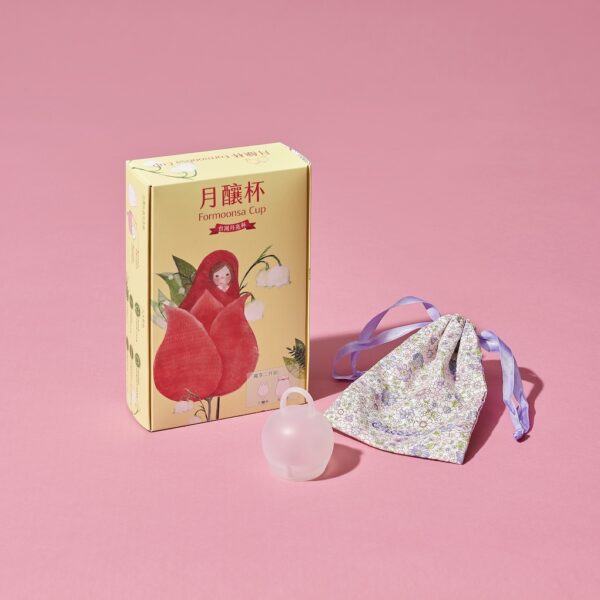
Formoonsacup
€49.90 Select options This product has multiple variants. The options may be chosen on the product page


Frequently asked questions
Why is my period blood brown?
Brown period blood is older blood that has oxidised. It’s normal at the start or end of your period, when the flow is slow.
Is black period blood normal?
Usually, yes: it’s very old blood at the end of your period. See a doctor if it comes with a strong, unpleasant smell, as it could mean something is stuck in the vagina.
What does dark red period blood mean?
Dark red blood has stayed a little longer in your uterus, often overnight. It’s normal and can contain small clots.
Why is my period blood pink?
Pink blood is usually blood mixed with cervical fluid, common in light periods or at the start or end of your period.
When are period clots a concern?
When they’re regularly larger than about 2.5 cm, or come with other signs of heavy bleeding like changing protection every 1 to 2 hours. Talk to your doctor if so.
This article is for general information and isn’t a substitute for medical advice. If you’re worried about your periods, talk to your doctor.