Your cycle used to be like clockwork, and suddenly it isn’t. A period comes early, the next one is late, one is super heavy, and you’re waking up at 3 am feeling hot. If you’re in your 40s, there’s a good chance you’re entering perimenopause. In this article, I explain what perimenopause is, what’s happening in your body, how it changes your cycle, and the signs to look out for, without the medical jargon.
Perimenopause in short
- Perimenopause is the transition before menopause, when your ovaries slowly wind down.
- It usually starts in your mid-40s and lasts about 4 years on average, but it can be a few months or up to 10 years.
- The first sign is often a change in your cycle: periods closer together, further apart, heavier or lighter.
- Menopause is reached when you haven’t had a period for 12 months in a row. The average age is 51.
- You can still get pregnant during perimenopause.
What is perimenopause?
Perimenopause literally means “around menopause”. It’s the transition phase between your fertile years and menopause, the moment your periods stop for good. Menopause itself is just one day: it’s confirmed when you haven’t had a period for 12 months in a row. Everything before that, from the first changes, is perimenopause. After it, you’re postmenopausal.
Most women notice the first changes in their mid-40s, but perimenopause can start in your late 30s or not until your 50s. In the UK and most of Europe, the average age of menopause is 51. If your periods stop before 45, it’s called early menopause, and before 40 it’s called premature ovarian insufficiency. In both cases it’s worth seeing a doctor.
Perimenopause is not an illness. It’s a natural stage of life, just like your first period was. But knowing what’s happening makes it much less confusing, and much easier to get the right help when you need it.
What happens in your body during perimenopause?
To understand perimenopause, it helps to remember how a normal cycle works. Every month, your brain sends a hormone called FSH (follicle-stimulating hormone) to your ovaries to wake up a few follicles, the little sacs that each hold an egg. As they grow, they make oestrogen, which builds up the lining of your uterus. After you ovulate, the empty follicle makes progesterone, which keeps the lining stable. If you’re not pregnant, both hormones drop and you get your period.
You’re born with all your eggs, and their number goes down throughout your life. In your 40s, there are fewer follicles left and they respond less well. So your brain “shouts louder” by sending more FSH. This is what happens next:
- Oestrogen goes up and down like a rollercoaster. It doesn’t simply fall: in some cycles it’s even higher than in your 20s, in others it drops very low. These swings cause many of the typical symptoms.
- You don’t ovulate every month any more. No ovulation means no progesterone in that cycle.
- Progesterone drops first. Because progesterone falls before oestrogen does, the two hormones get out of balance. With a lot of oestrogen and little progesterone, the lining of the uterus can build up more, which explains heavier periods.
- Towards the end, oestrogen falls for good. In the last year or two before your final period, oestrogen drops more steadily, and symptoms like hot flushes and vaginal dryness often become more noticeable.
Oestrogen does far more than run your cycle: it affects your brain, sleep, mood, skin, bones, bladder, heart and vagina. That’s why perimenopause can show up in so many different ways.
How perimenopause changes your cycle
For most women, the very first sign of perimenopause is a change in their periods. Researchers who followed thousands of women’s cycles over many years have described two stages:
Early perimenopause
Your cycles start to vary. The length of one cycle compared with the next differs by 7 days or more, and this keeps happening. Periods often come closer together at first (for example every 21 to 24 days instead of 28), and can be heavier.
Late perimenopause
You start skipping periods, with gaps of 60 days or more. This stage usually begins about 1 to 3 years before your final period, and it’s often when hot flushes are strongest.
Other changes you may notice:
- Heavier periods, sometimes with large clots, especially after a skipped period.
- Longer periods, or spotting before your period starts.
- Lighter, shorter periods in some cycles.
- Worse PMS: sore breasts, bloating and mood swings before your period. Read more in our guide to PMS.
Not everyone goes through big changes: some women have fairly regular cycles almost until their last period, and then simply stop.
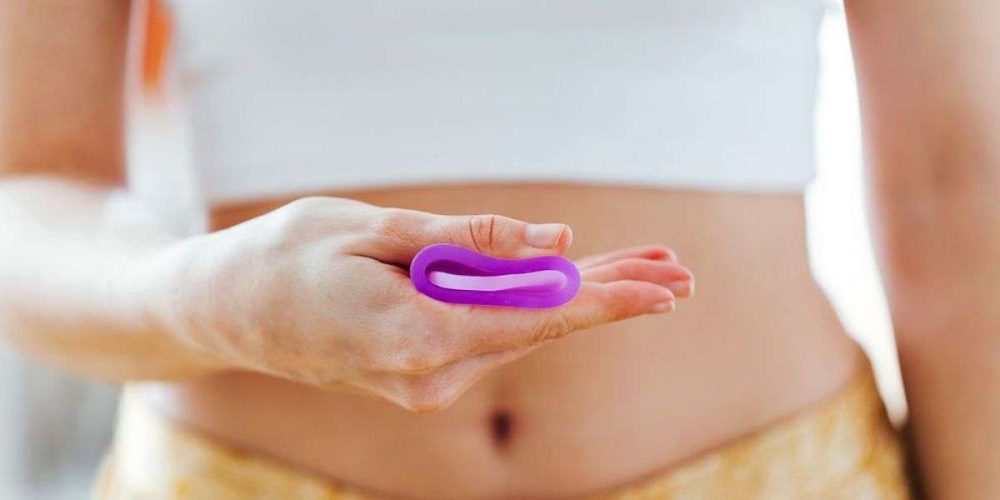
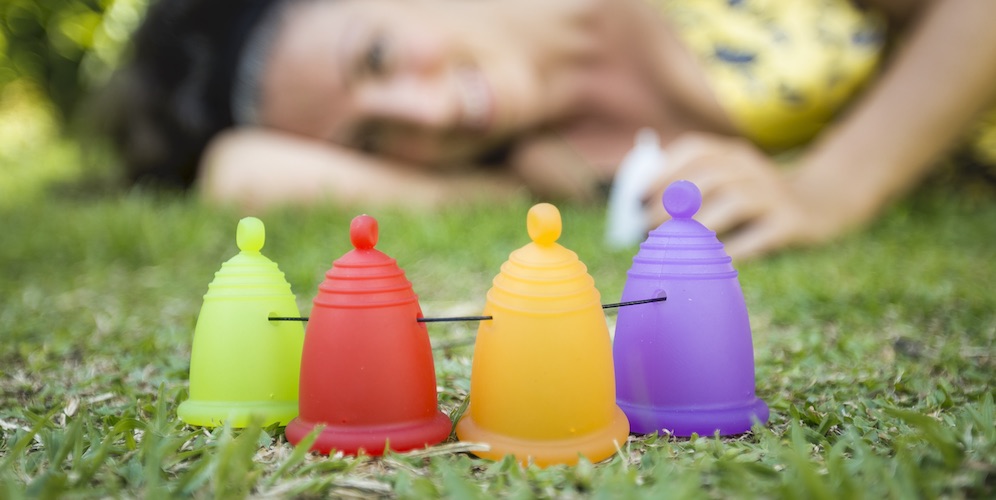
Tip: a menstrual cup is a great way to keep an eye on heavy periods, because you can actually see how much you bleed. Most cups have measurement marks. Our article on what your period blood can tell you about your health explains what colour and clots can mean.
The possible effects of perimenopause
Every woman’s perimenopause is different. Some barely notice it, others find it really affects their daily life. Here are the most common effects:
- Hot flushes and night sweats: a sudden wave of heat in the face, neck and chest, often with sweating, that lasts a few minutes. At night they can soak your sheets.
- Sleep problems: trouble falling asleep, or waking up in the middle of the night, even without night sweats.
- Mood changes: irritability, anxiety, low mood or feeling less like yourself. Women with a history of PMS or postnatal depression can be more sensitive.
- Brain fog: forgetting words, losing your train of thought, struggling to concentrate. It’s common and usually improves after menopause.
- Vaginal dryness and lower libido: less oestrogen makes the vaginal tissue thinner and drier, which can make sex uncomfortable. A lubricant can help, and so can treatment from your doctor.
- Bladder changes: needing to pee more often, or small leaks when you cough, sneeze or jump. Pelvic floor exercises really help here.
- Joint aches, headaches and tiredness.
- Changes in your body shape: many women notice weight goes more easily to the tummy.
- Heart palpitations: often harmless, but always worth mentioning to your doctor.
In the longer term, the drop in oestrogen also affects your bones (higher risk of osteoporosis) and your heart. This is why perimenopause is a great time to look after your health: regular exercise (including strength training), enough calcium and vitamin D, not smoking, and limiting alcohol all make a real difference.
Am I in perimenopause? What to check
There’s no single test for perimenopause. If you’re over 45 and generally healthy, doctors in the UK and Europe usually recognise it from your age, your symptoms and how your periods have changed, without any blood tests. Hormone levels change so much from one day to the next during perimenopause that a single blood test often isn’t reliable. Here’s what you can check yourself:
Your perimenopause checklist
- Track your cycle for 3 to 6 months. Write down the first day of each period, how many days you bleed and how heavy it is. A cycle app or a simple calendar works.
- Look at your cycle length. Does it keep changing by 7 days or more from one cycle to the next? Have you had a gap of 60 days or more?
- Notice your flow. Are your periods heavier, longer or with more clots than before?
- Write down other symptoms: hot flushes, night sweats, sleep, mood, brain fog, joint pain, vaginal dryness, bladder changes.
- Think about your age and family: are you 40 or older? When did your mother or older sisters reach menopause? It often runs in families.
- Check your contraception: the hormonal pill, implant, injection or hormonal coil can hide or change your natural bleeding pattern, so your periods may not tell you much.
Take these notes to your doctor: they’re the most useful information you can bring. If you’re under 45, your doctor may suggest blood tests, mainly to rule out other causes such as thyroid problems.
Can you still get pregnant during perimenopause?
Yes. Even if your periods are irregular, you may still ovulate in some cycles. Health services advise using contraception until you’re 2 years without a period if your last period was before 50, or 1 year without a period if it was after 50. Most women can stop at 55. If you use hormonal contraception, ask your doctor when you can safely stop, because your periods aren’t a reliable guide.
How to feel better during perimenopause
- Talk to your doctor early. Hormone replacement therapy (HRT) is the most effective treatment for hot flushes and night sweats, and there are non-hormonal options too. Your doctor can help you weigh the benefits and risks for you personally.
- Move every day, and add some strength training to protect your bones and muscles.
- Look after your sleep: a cool bedroom, light cotton bedding and a routine help.
- Notice your triggers: spicy food, alcohol, caffeine and stress can make hot flushes worse for some women.
- Train your pelvic floor to prevent bladder leaks. A Kegel trainer can guide you.
- Be ready for surprise periods: period panties are perfect for unpredictable spotting or as a back-up on heavy days, and a high-capacity menstrual cup can hold much more than a super tampon.
- Talk about it with friends, your partner, or at work. You’re definitely not the only one!
Products that can help
High-capacity menstrual cups, period panties for unpredictable spotting, and kegel trainers for your pelvic floor:
-

Lalicup
€31.00 Select options This product has multiple variants. The options may be chosen on the product page -

Formoonsacup
€49.90 Select options This product has multiple variants. The options may be chosen on the product page -

Me Luna CLASSIC XL
€15.95 Select options This product has multiple variants. The options may be chosen on the product page -

Libby Cup
€23.60 Select options This product has multiple variants. The options may be chosen on the product page -

Emilla period panties
€20.00 Select options This product has multiple variants. The options may be chosen on the product page -

Lalipanties – Leakproof stretchy period panty
€13.45 Select options This product has multiple variants. The options may be chosen on the product page -

Lalipanties – Leakproof black lace period panty
€15.26 Select options This product has multiple variants. The options may be chosen on the product page -

Yuuki Menstrual Panties
€15.99 Select options This product has multiple variants. The options may be chosen on the product page -

Intimina KegelSmart
€79.95 Add to cart -

Ruby Kegel trainer
€16.95 Select options This product has multiple variants. The options may be chosen on the product page



When to see a doctor
Perimenopause is natural, but some changes need checking. See your doctor if:
- your periods are so heavy that you soak a pad or tampon every 1 to 2 hours, pass large clots, or feel tired and dizzy (a sign of anaemia),
- you bleed between periods or after sex,
- your periods come more often than every 21 days, or last more than 7 days,
- you bleed again after 12 months without a period: this always needs checking,
- you have symptoms before the age of 45,
- your symptoms affect your daily life, work, relationships or mood.
Frequently asked questions
What is the difference between perimenopause and menopause?
Perimenopause is the transition, when your hormones fluctuate and your periods become irregular. Menopause is the point when you haven’t had a period for 12 months in a row. After that, you’re postmenopausal.
What are the first signs of perimenopause?
Usually a change in your cycle: periods that come closer together or further apart, or that become heavier. Sleep problems, night sweats and worse PMS can also be early signs.
At what age does perimenopause start?
Most often in your mid-40s, but it can start in your late 30s or later in your 40s. It lasts about 4 years on average.
Can a blood test tell me if I’m in perimenopause?
Not reliably if you’re over 45, because hormone levels change from day to day. Doctors usually decide based on your age, symptoms and cycle. Under 45, a blood test can help rule out other causes.
Why are my periods heavier in my 40s?
In perimenopause you don’t ovulate every month, so you make less progesterone while oestrogen can still be high. The lining of the uterus builds up more and gives heavier periods. Heavy periods can also have other causes, like fibroids, so mention them to your doctor.
Can I use a menstrual cup during perimenopause?
Yes. A cup can be very handy for heavy, unpredictable periods, and it lets you see how much you bleed. If your pelvic floor feels weaker, a softer cup or a disc may be more comfortable. Our article on choosing the right cup size can help.
Want to know more about the end of the journey? Read our article Is this menopause?
Sources
- NHS: Symptoms of menopause and perimenopause
- NICE guideline NG23: Menopause: identification and management
- Australian Government Department of Health: Perimenopause
- Harlow & Paramsothy: Menstruation and the menopausal transition (Obstetrics and Gynecology Clinics, 2011)
- Harvard Health: Perimenopause, rocky road to menopause
- Centre for Menstrual Cycle and Ovulation Research (UBC): Perimenopause
- HSE Ireland: Contraception and menopause
This article is for general information and isn’t a substitute for medical advice. If you’re worried about your periods or symptoms, please talk to your doctor.